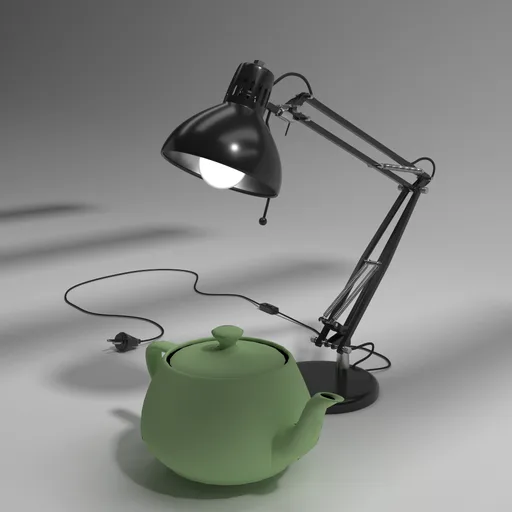
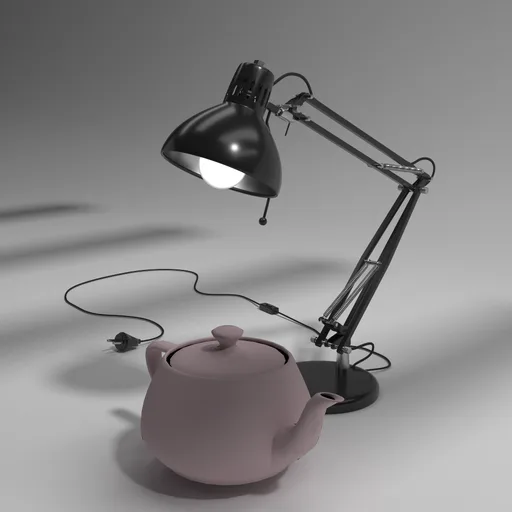
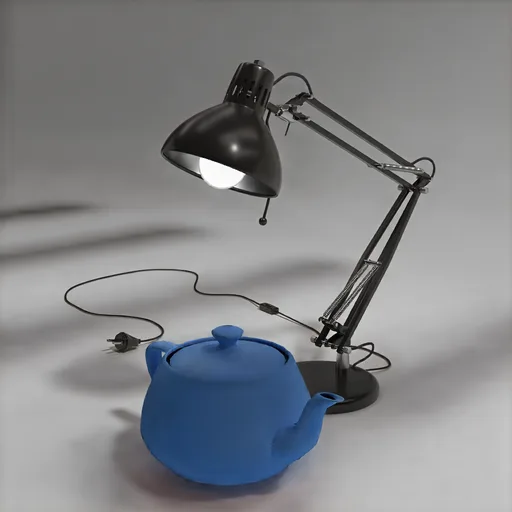
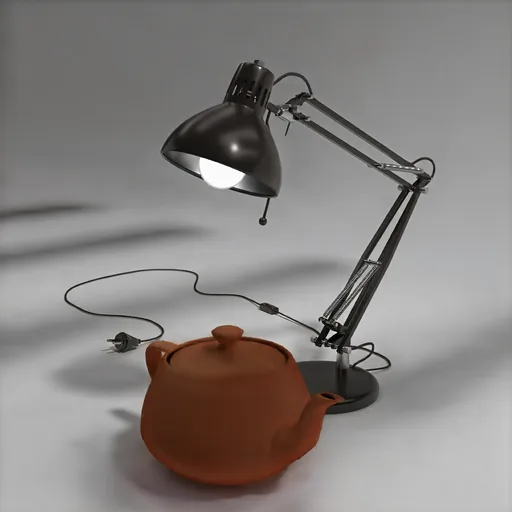
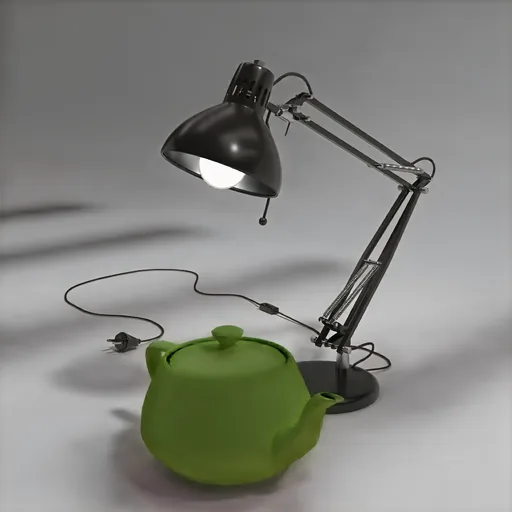
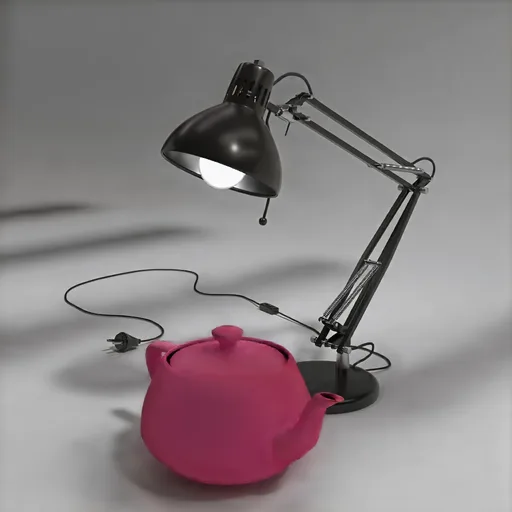
Image diffusion models have shown impressive image generation capabilities but are often
hard to control, in contrast to classical computer graphics pipelines such as physically
based rendering. However, we observe that there is a bridge between light transport
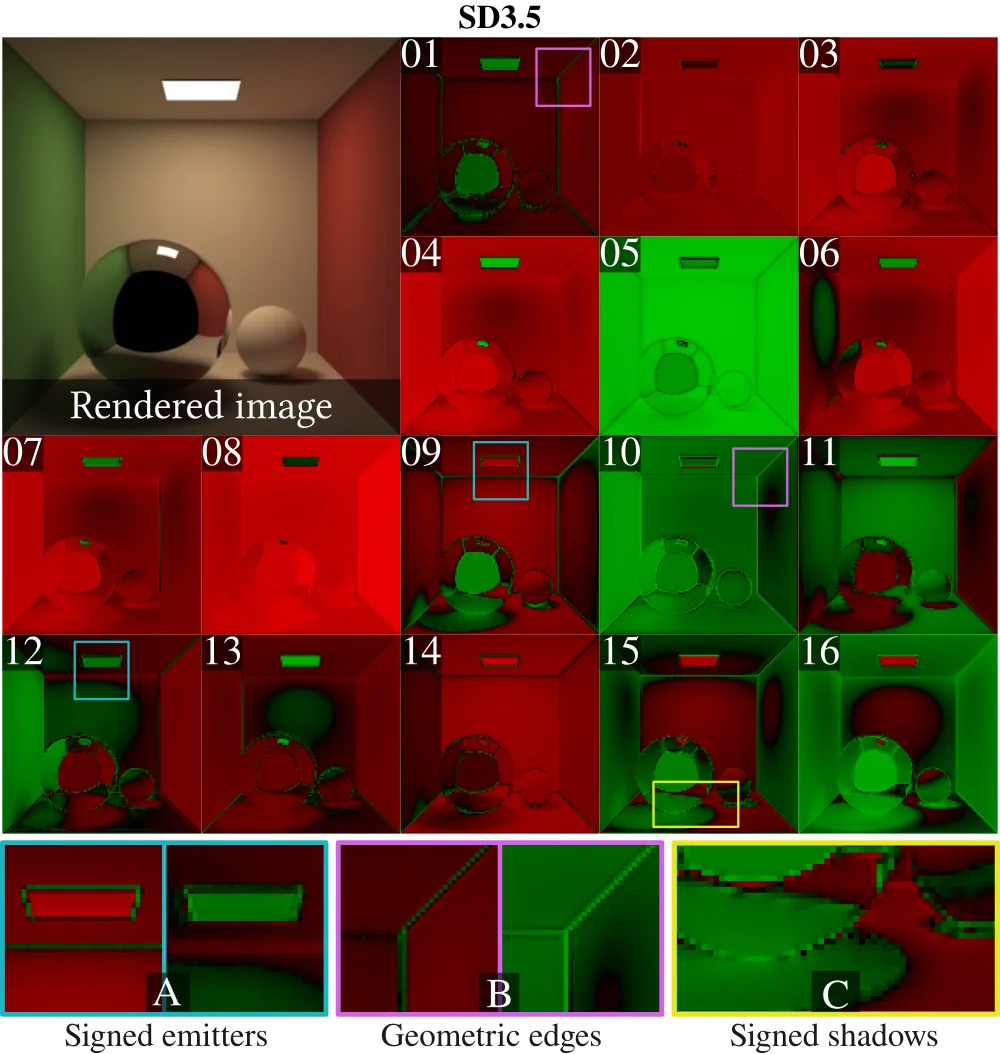
phenomena and the distribution of latent space values produced by such models. Thus, we
introduce physically based rendering in the feature space learned by the variational
autoencoders in generative models, enabling light transport simulation in the latent
space. This allows us to leverage physically based rendering techniques to output latent
maps for physically guided content generation.
We propose modifications to the rendering equation, which, when paired with a
differentiable renderer, can yield an optimal set of scene parameters that require only
minimal refinement to accurately render into the pretrained latent space. We train our
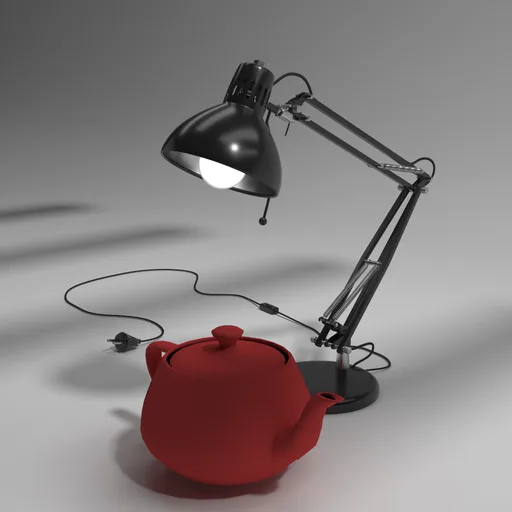
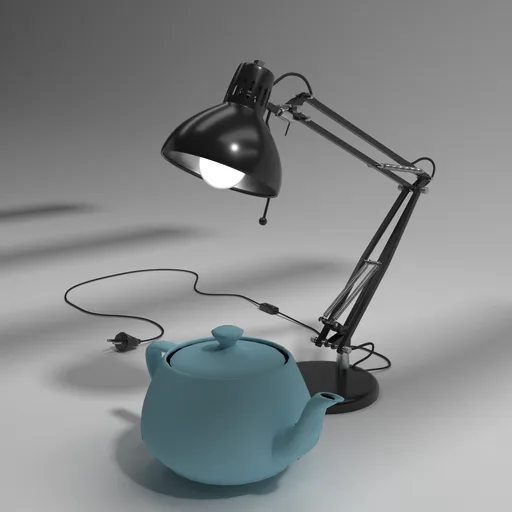
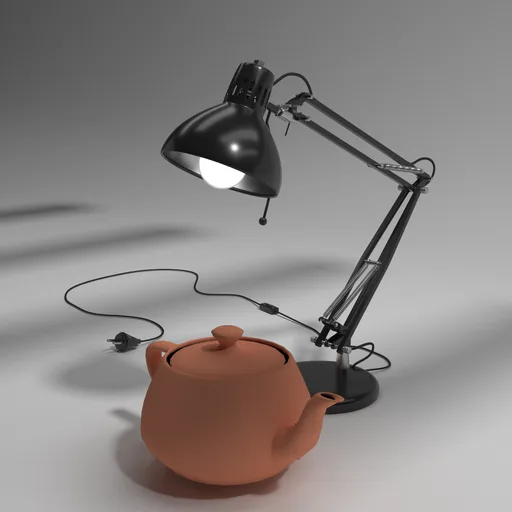
method on a single rendered image, and then demonstrate the generalization of the method
to scene geometry changes, lighting changes, and camera view changes.